Rector of Argentina’s National University of La Plata Leads Delegation on Visit to Our College
On May 30, Martín López Armengol, Rector of Argentina’s National University of La Plata (Universidad Nacional de La Plata, UNLP), led a delegation on a visit to our College. Yu Kongjian, Dean of the College, along with Vice Deans Li Dihua and Wang Zhifang, among others, hosted the delegation. The two sides engaged in in-depth discussions on academic cooperation, interdisciplinary collaboration, and response strategies in the context of global climate challenges.
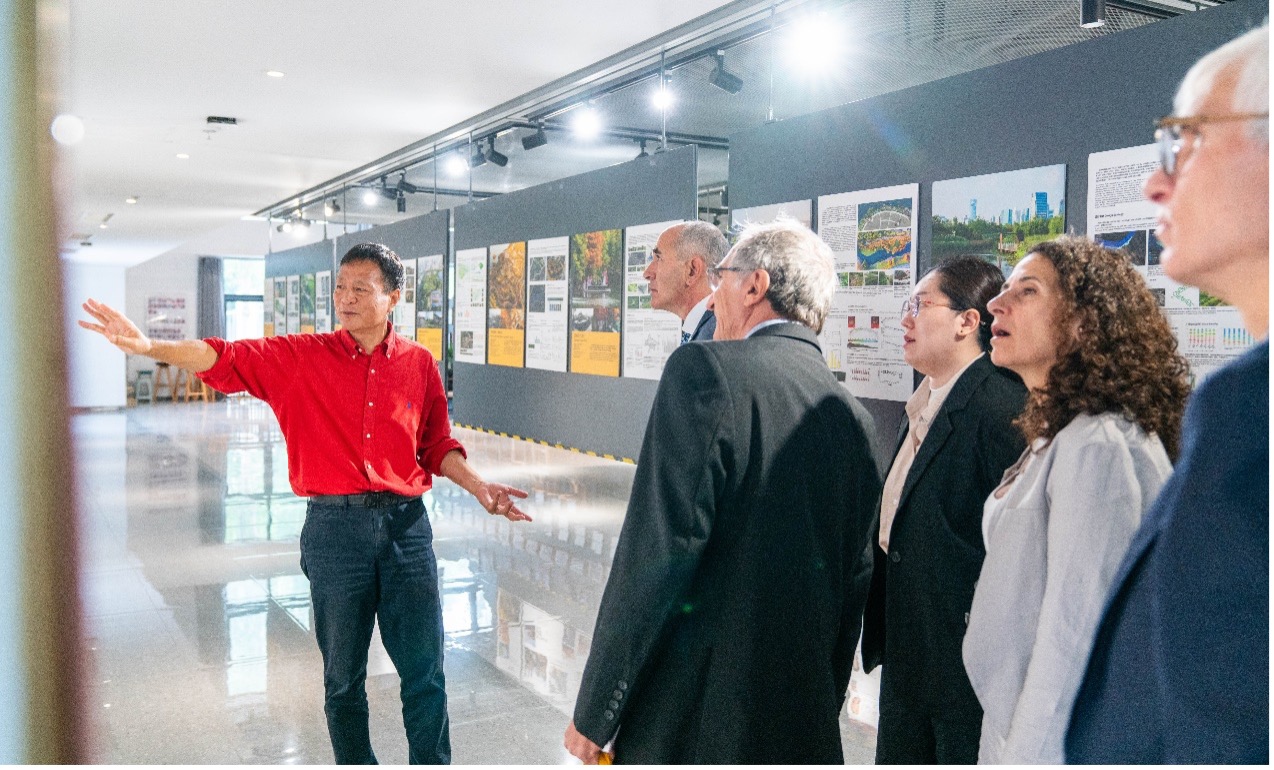

Martín López Armengol began by introducing the basic profile of the National University of La Plata and the composition of the delegation. He noted that the National University of La Plata is one of Argentina’s most prestigious public comprehensive universities, committed to promoting multidisciplinary development and international cooperation. He spoke highly of the innovative explorations by Peking University’s College of Architecture and Landscape in addressing climate change and advancing sustainable urban and landscape design, and expressed his hope to further strengthen exchanges and cooperation between the two institutions in areas such as academic research and talent development on this foundation.
Professor Sergio O. Liscia, a member of the delegation and a renowned expert in hydraulic and environmental engineering, drew on his extensive engineering experience to emphasize that project planning should fully take local natural conditions into account and enhance resilience to flood risks through integrated solutions. He introduced technical models that can be used to identify flood-prone areas and highlighted the China-Argentina collaborative project for hydropower development on the Santa Cruz River, showcasing the achievements and experiences of collaborative innovation between China and Argentina in the field of large-scale engineering.
During the symposium, Yu Kongjian introduced the “Sponge Earth” concept, emphasizing the need to draw on traditional wisdom to achieve a comprehensive response to urban flooding and climate risks. Drawing on exemplary projects such as the Sanya East Coast Wetland Park, the Bang Kha Khet Forest Park in Bangkok, Thailand, and the Sanya Mangrove Ecological Park, he demonstrated the “slowing down water” design strategy and its effectiveness, calling for the promotion of a more inclusive and shared path toward green development in the context of global climate change.
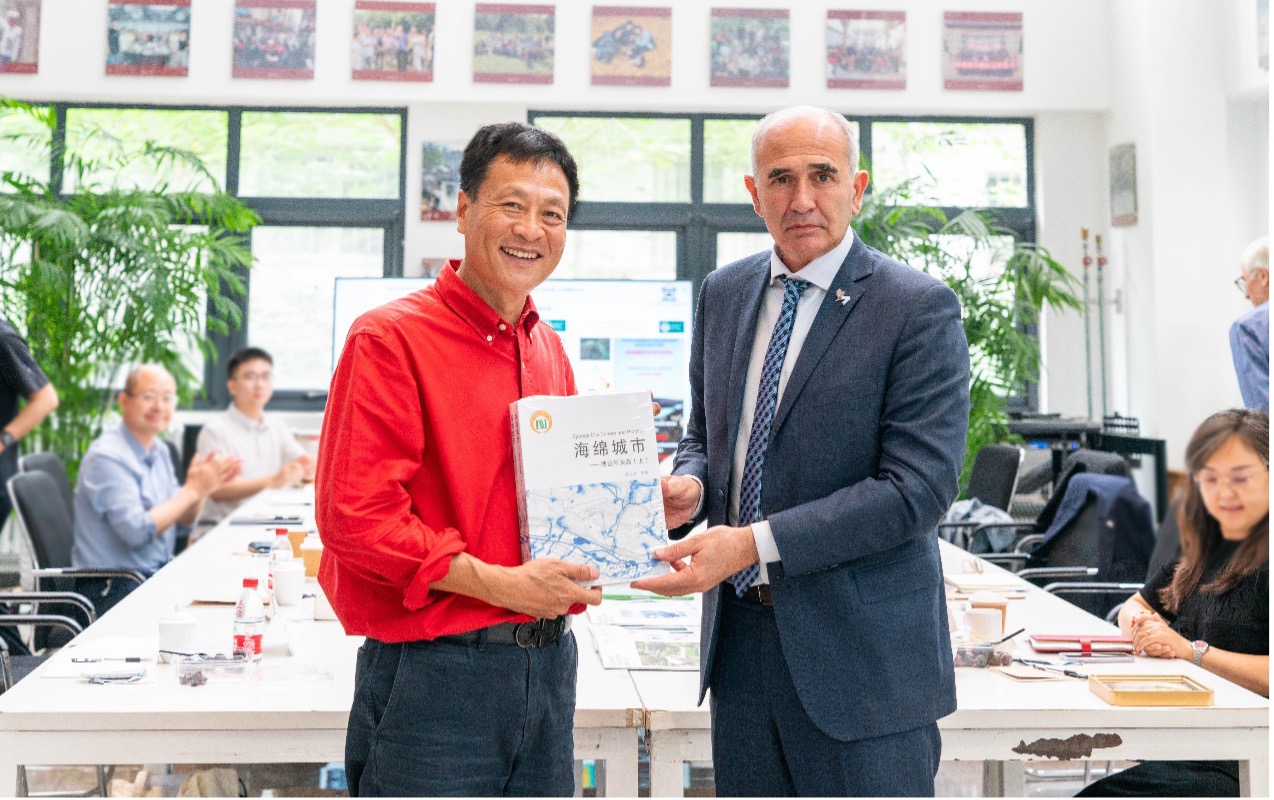
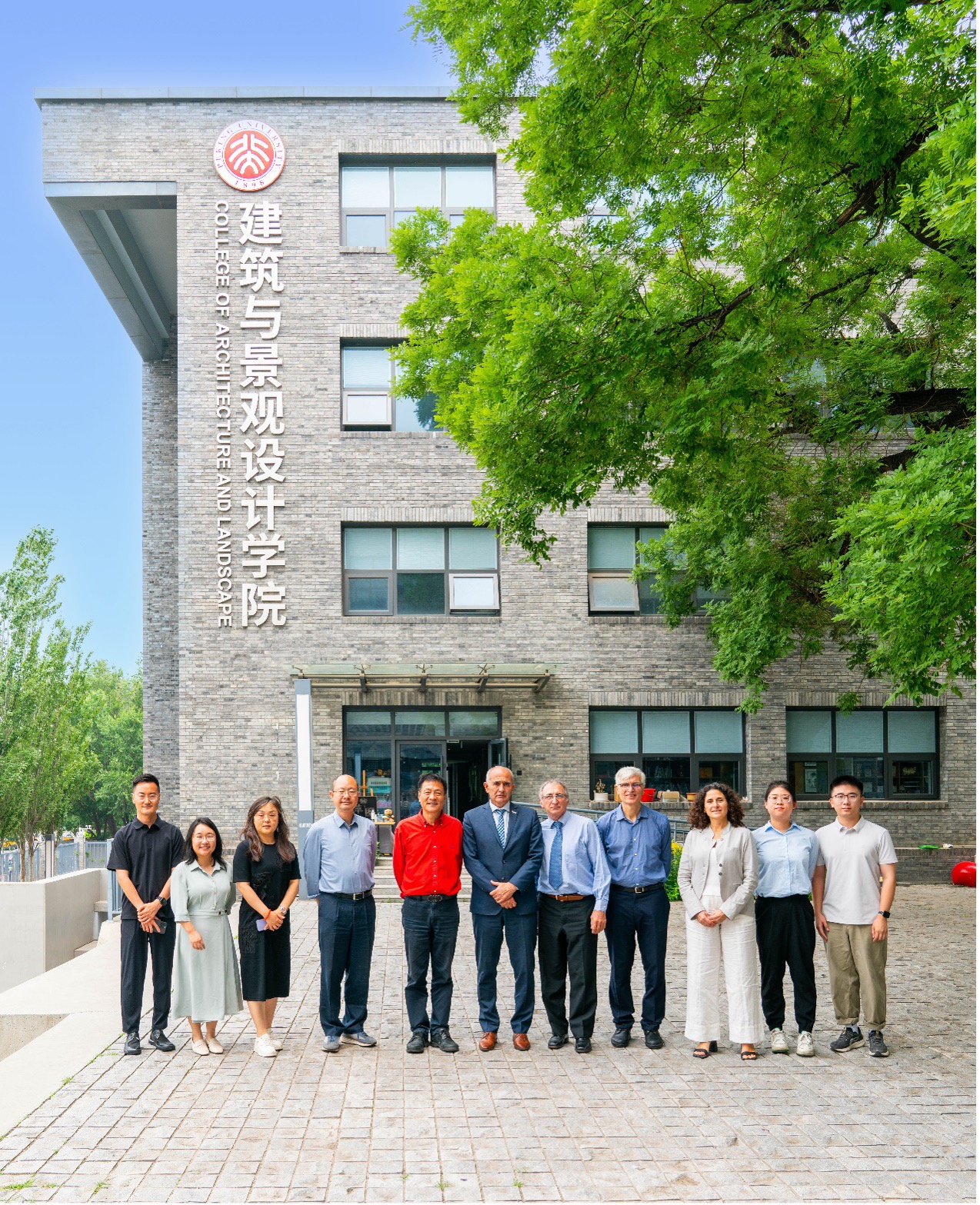
During the talks, both sides engaged in in-depth discussions on future cooperation in areas such as interdisciplinary research, joint talent development, and international design workshops in the context of global climate change, reaching several preliminary agreements. This visit not only deepened mutual understanding of each other’s development philosophies and disciplinary strengths but also laid a solid foundation for future practical cooperation.
Edited by Zhu Liangliang
