IUCN Awards First “Champion for Nature-based Solutions” Honor to Professor Yu Kongjian
On July 1, the International Union for Conservation of Nature (IUCN) officially awarded Yu Kongjian—Dean of the College of Architecture and Landscape at Peking University and a Fellow of the American Academy of Arts and Sciences—the inaugural “Champion for Nature-based Solutions” title in recognition of his outstanding contributions to ecological restoration and sustainable design.
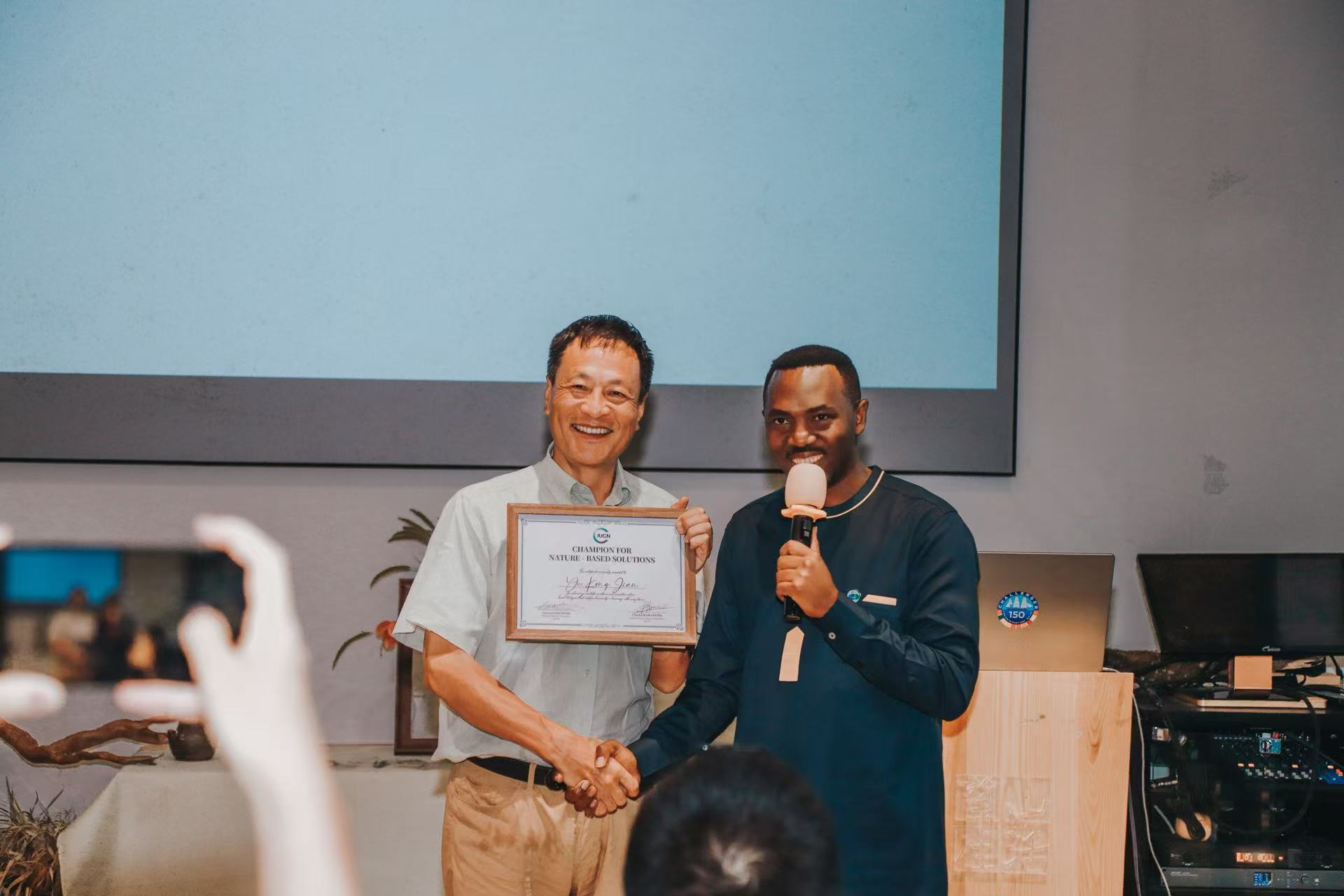
Charles Karangwa, Director of the Global Center for Nature-based Solutions, presented the certificate to Yu Kongjian
Professor Yu Kongjian and his research and practice team at Peking University have long been dedicated to the research and implementation of NbS, “Sponge Cities,” and the “Sponge Earth” theory. By integrating traditional Chinese wisdom with modern ecological technologies, they promote harmonious coexistence between cities and nature and explore nature-based approaches to healing the Earth and building climate resilience. The numerous projects designed and completed by his team in more than 200 cities worldwide have become global models for NbS implementation, effectively addressing challenges such as climate change, floods, and biodiversity loss, while promoting community development and economic growth.
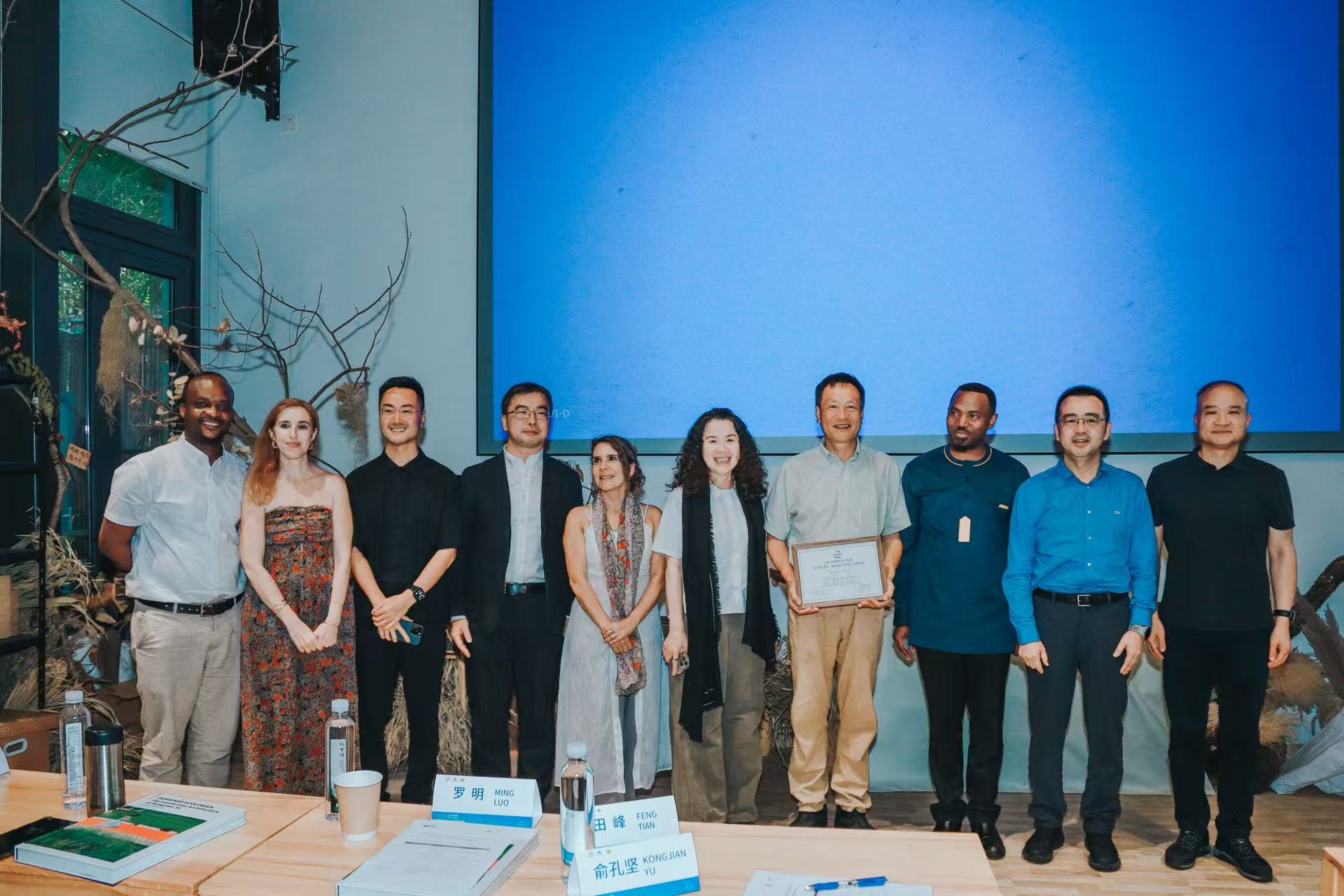
Group Photo of Leaders at the NbS Summer School Closing Ceremony
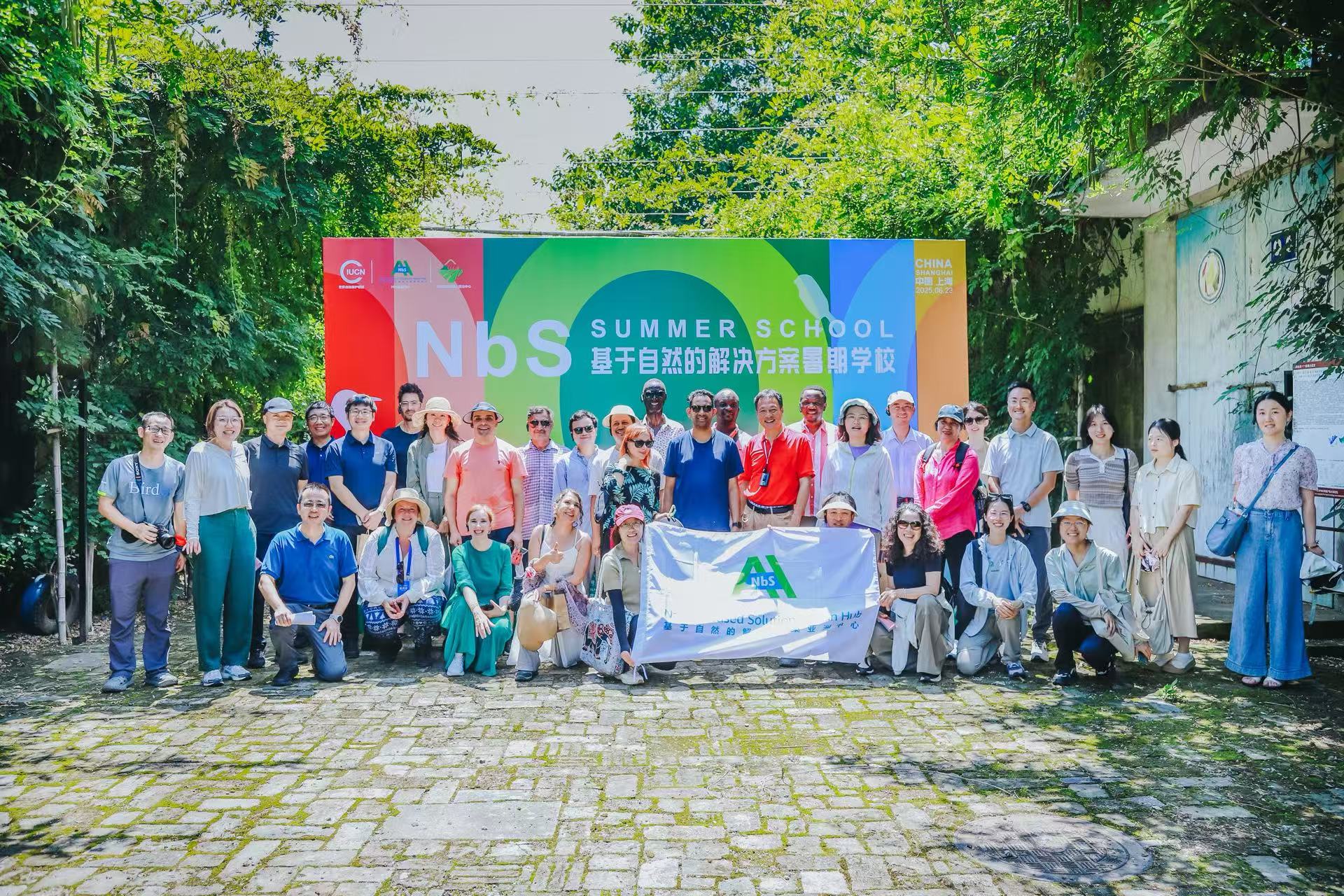
The world’s first Nature-based Solutions Summer School (NbS Summer School) successfully concluded in the ancient village of Xixin South, Anhui Province
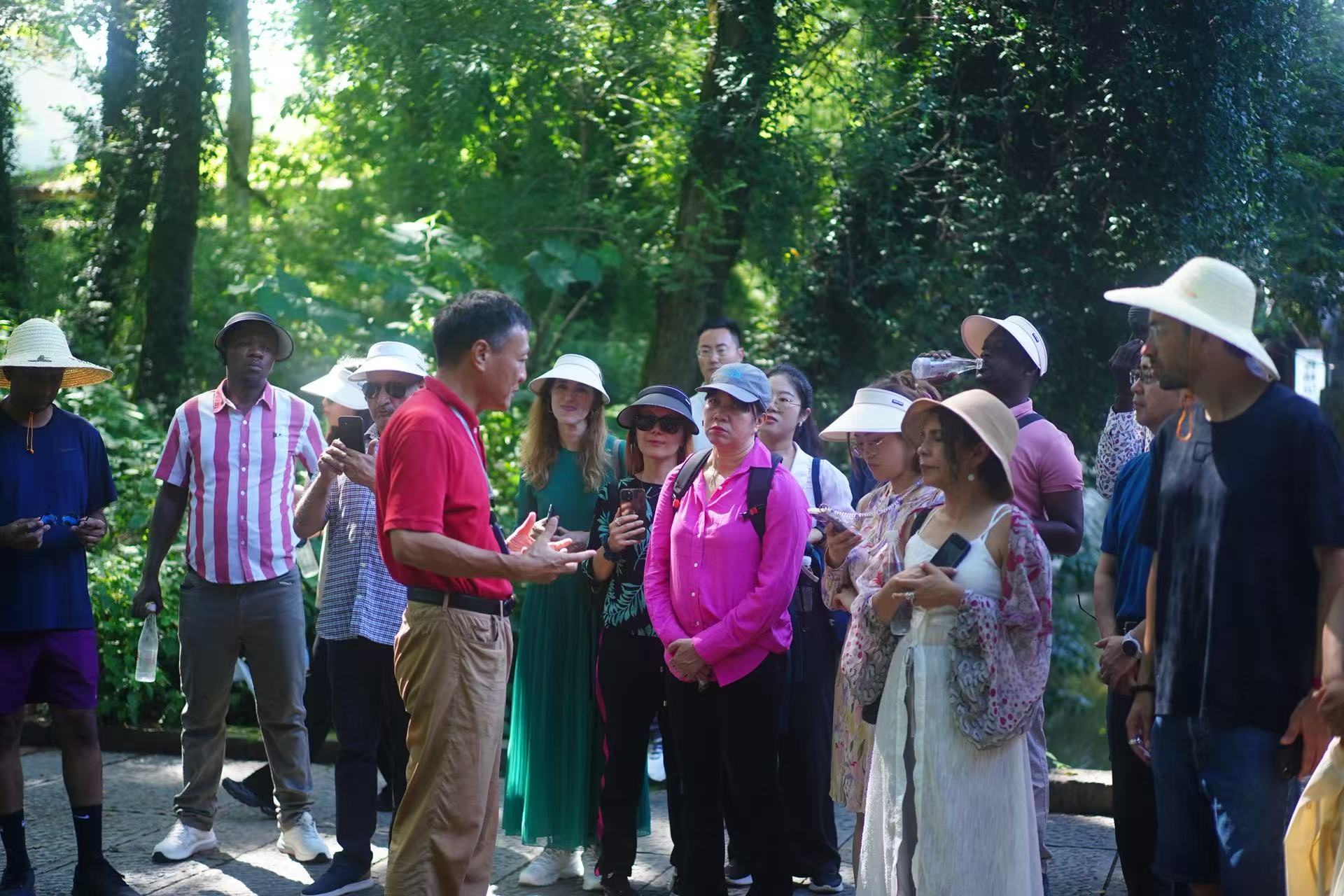
Professor Yu Kongjian shared China's traditional water wisdom with international participants
The conferral of this honor signifies the international community’s high recognition and appreciation for the efforts of China’s scientific and technical community—represented by Yu Kongjian—and government departments in advancing NbS practices and research achievements. It will effectively disseminate China’s experience and set a new benchmark for global ecological governance.
Photos & Text by Wang Huixian
Edited by Zhu Liangliang
