Professor Yu Kongjian’s Team Wins Two Annual Awards from the American Society of Landscape Architects
Recently, the American Society of Landscape Architects (ASLA) officially announced the results of its 2025 Professional Awards (https://www.asla.org/2025awards/index.html), one of the most prestigious honors in the international landscape architecture field. Two projects by the design team led by Professor Yu Kongjian of Peking University—Nanchang Fish Tail Park and Haikou Meishe River Fengxiang Park—stood out among 463 global entries, winning the Award of Excellence in the Comprehensive Design category and the Honor Award in the Urban Design category, respectively.

Nanchang Fish Tail Park, which won the Award of Excellence in the Comprehensive Design category, is a “floating forest” . In Nanchang—a city in the middle and lower reaches of the Yangtze River prone to frequent flooding—a 55-hectare fly ash landfill and a polluted fish pond were transformed into a “sponge park” with flood regulation capabilities: a beautiful oasis capable of regulating 1 million cubic meters of stormwater, while purifying non-point source pollution, restoring bird habitats, and providing a variety of recreational functions. This project offers a replicable model for how cities can address flood issues under the influence of a monsoon climate and global climate change. It also represents an exploration by the designers to introduce nature into the built environment, adapting to natural processes such as monsoon rainfall while meeting people’s needs for open spaces.
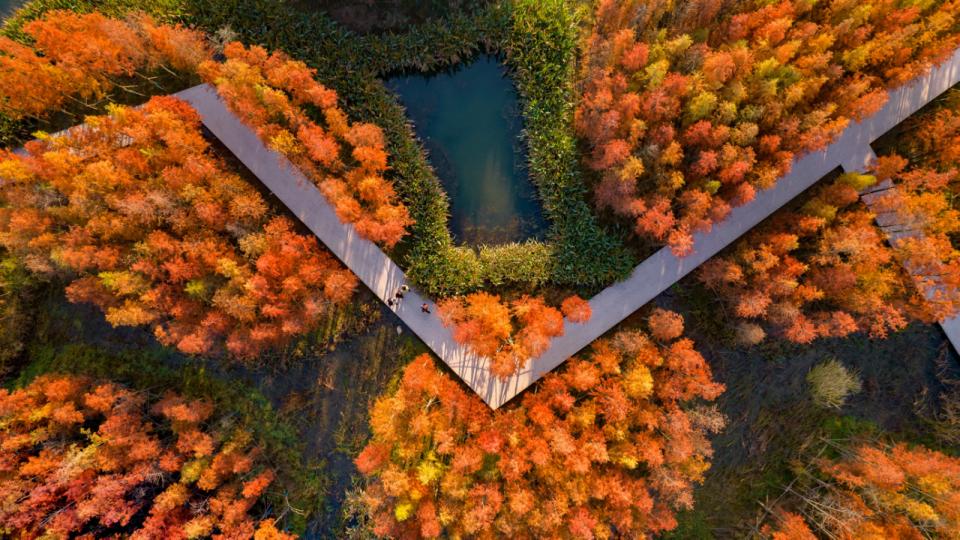
Nanchang Fish Tail Park
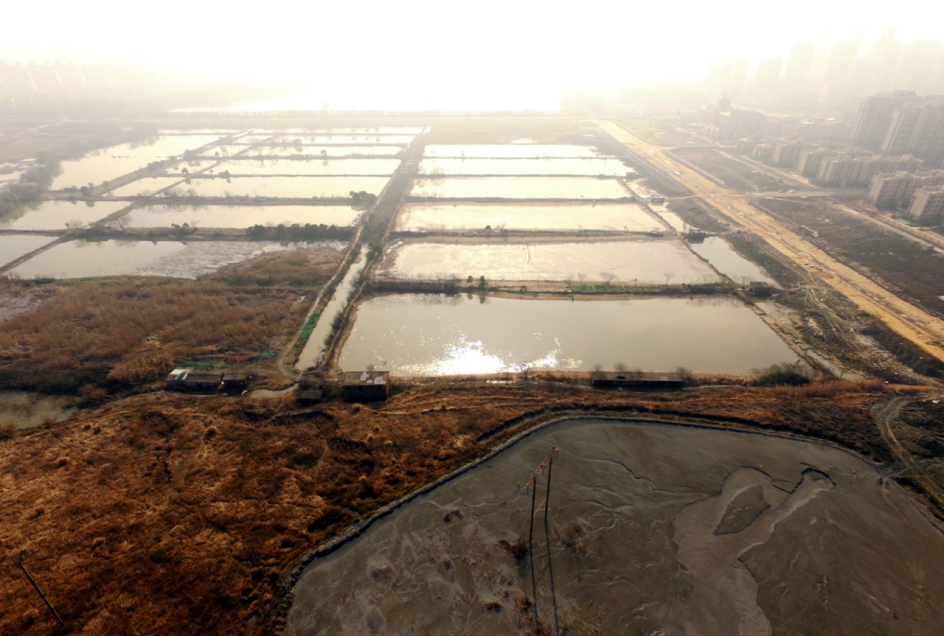
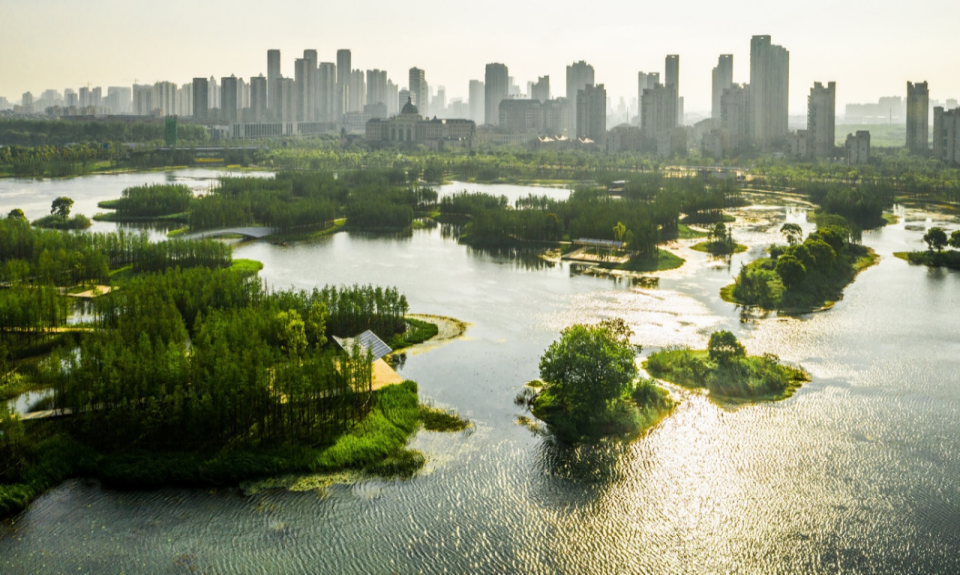
In just three years and with a modest budget, this former urban landfill and abandoned fish ponds were transformed into a “floating forest” that provides comprehensive ecosystem services. It has now become one of the most visited urban parks in the region.

Design Floor Plan
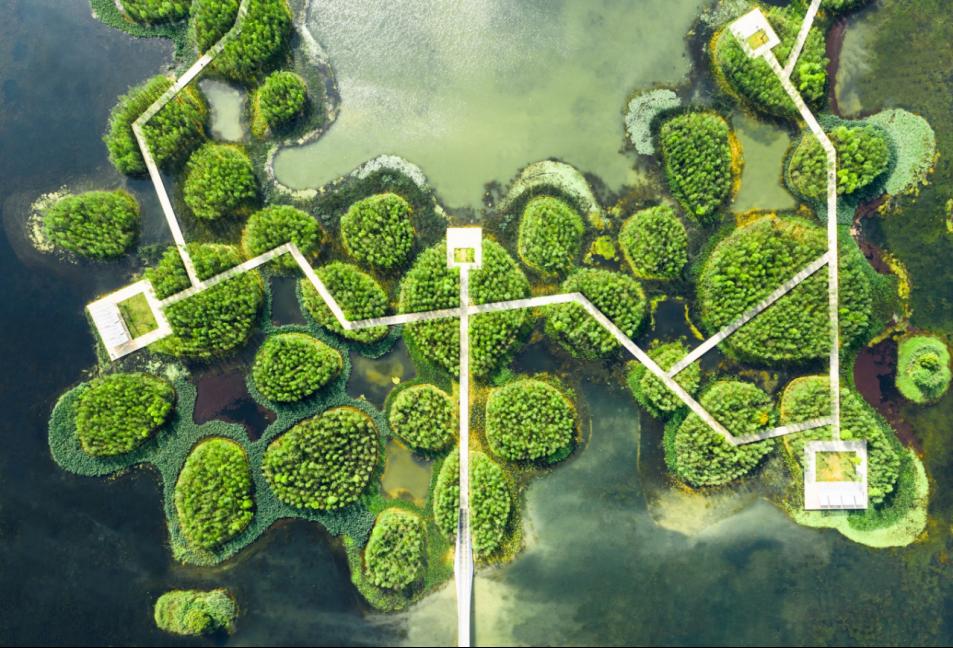
The design draws inspiration from ancient marsh cultivation techniques and traditional “floating island” agricultural methods. By recycling coal ash from the site and mixing it with fill material from the fish pond embankments, the designers created a lake ecosystem featuring numerous small islands.
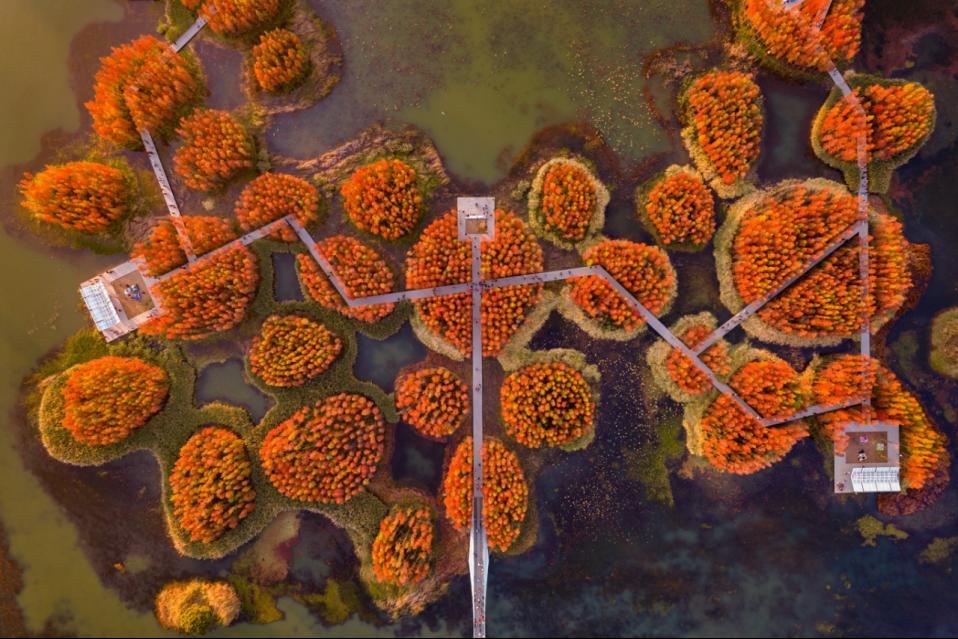
The selected tree species are all adapted to environments with fluctuating water levels, including taxodiums, pond cypresses, and metasequoias—varieties that combine strong adaptability with vibrant autumn colors.
The park features an extensive network of crisscrossing boardwalks and viewing platforms, allowing visitors to immerse themselves in nature. These facilities are designed to withstand a once-in-20-years flood as well as annual monsoon-induced flooding
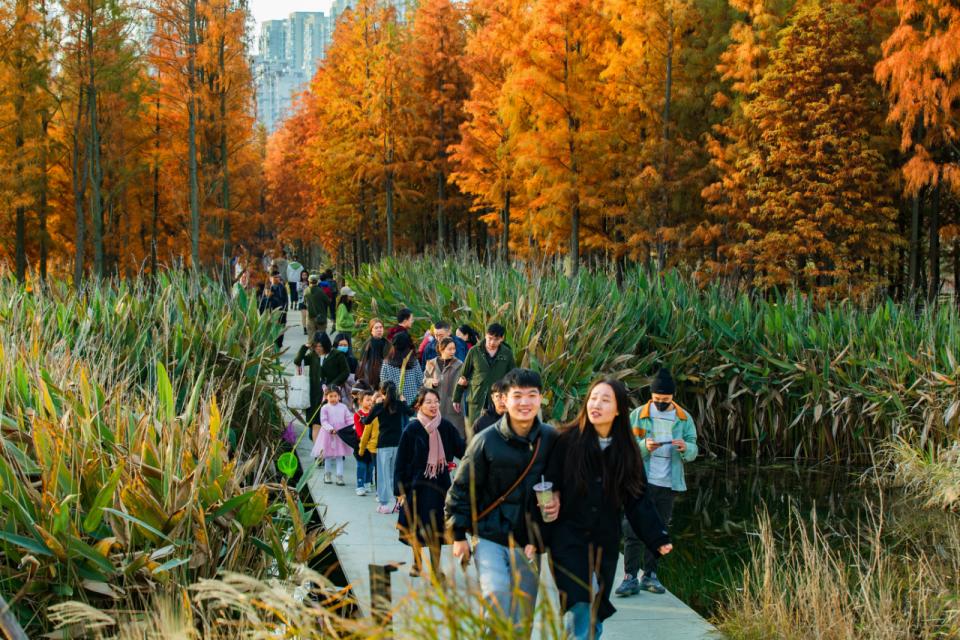
Visitors of all ages are drawn to this new type of immersive nature experience. The park's boardwalks and viewing platforms are all constructed of precast concrete and elevated off the ground.
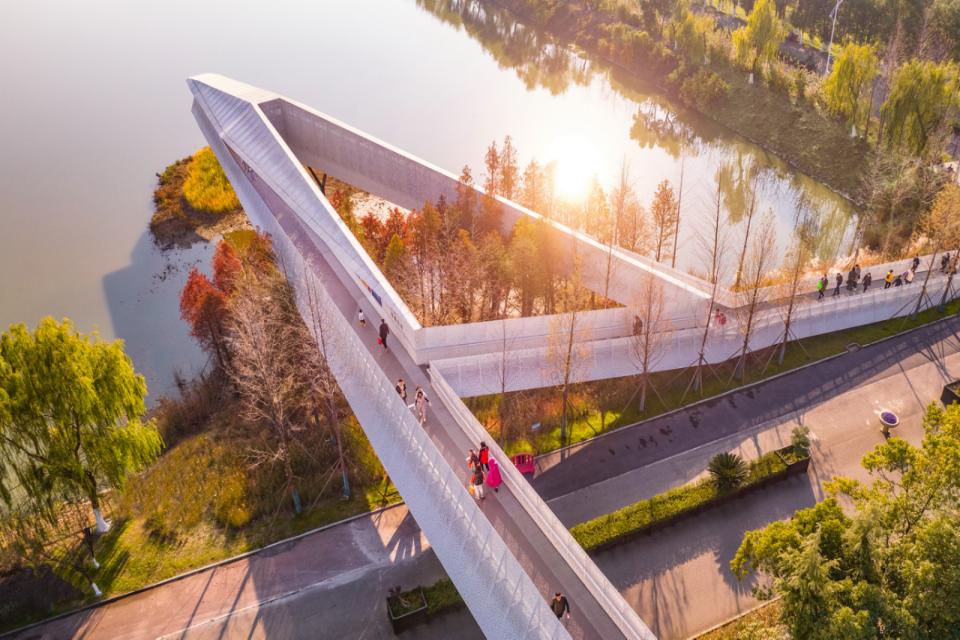
The skybridge at the main entrance integrates an art gallery with dining spaces, creating a vibrant venue suitable for both day and night. The viewing pavilion at the end of the skybridge overlooks Ai Xi Lake, offering a panoramic view of the city’s magnificent skyline.
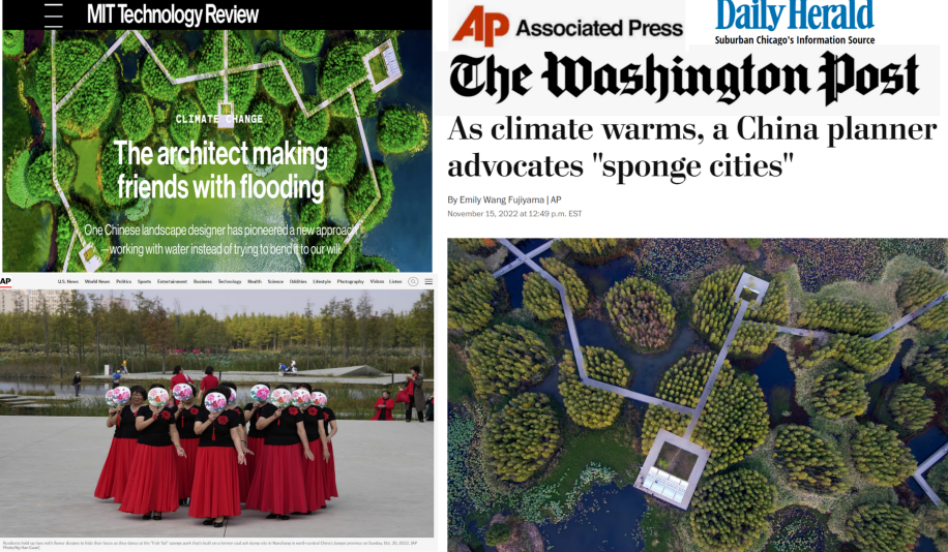
Today, the internationally renowned Yuweizhou Park not only gives Nanchang’s new city a unique identity but has also become a key driver of urban development.
The ASLA judging panel praised Yuweizhou Park highly, stating, “The visual impact of this wetland project is breathtaking! It showcases both exquisite design artistry and the tenacious vitality of natural systems.” This dreamlike and ambitious urban park serves as a model for other cities seeking to revitalize landscapes in waters polluted by heavy industry, while also pioneering a new model for leisure and recreation. The designers’ innovative courage in the field of urban wetlands has established an entirely new paradigm.”
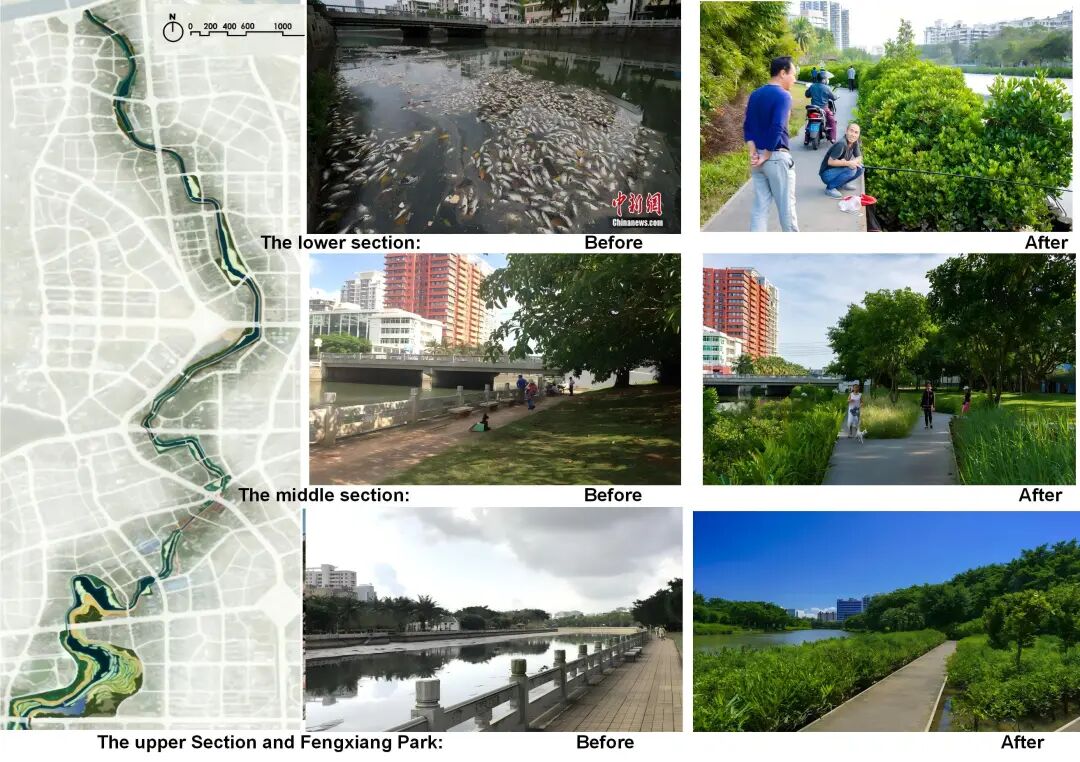
Haikou's Meishe River Fengxiang Park, meanwhile, achieved a “transformation from gray to green” and won this year’s Honorable Mention in the Urban Design category. Haikou, Hainan Province, is a southern coastal tourist city blessed with stunning natural scenery. However, during the rapid urbanization of recent decades, the importance of natural rivers as urban water ecological infrastructure was overlooked, leading to a sharp decline in the city’s ecological resilience and safety. As a key ecological node along the Meishe River, Fengxiang Park vividly exposes the various ecological issues plaguing the Meishe River basin. The project aims to restore the site’s ecosystem through design ecology approaches, systematically address urban flooding and water pollution, and create a high-quality, leisurely waterside living environment for nearby residents.
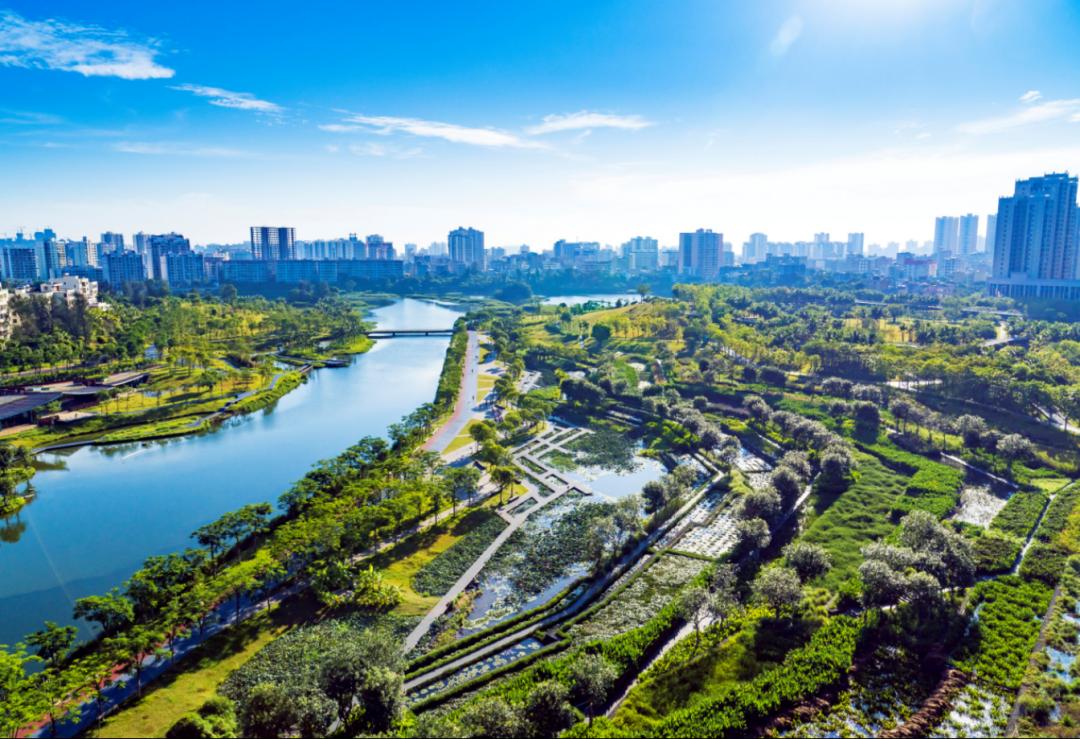
Haikou Meishe River Fengxiang Park
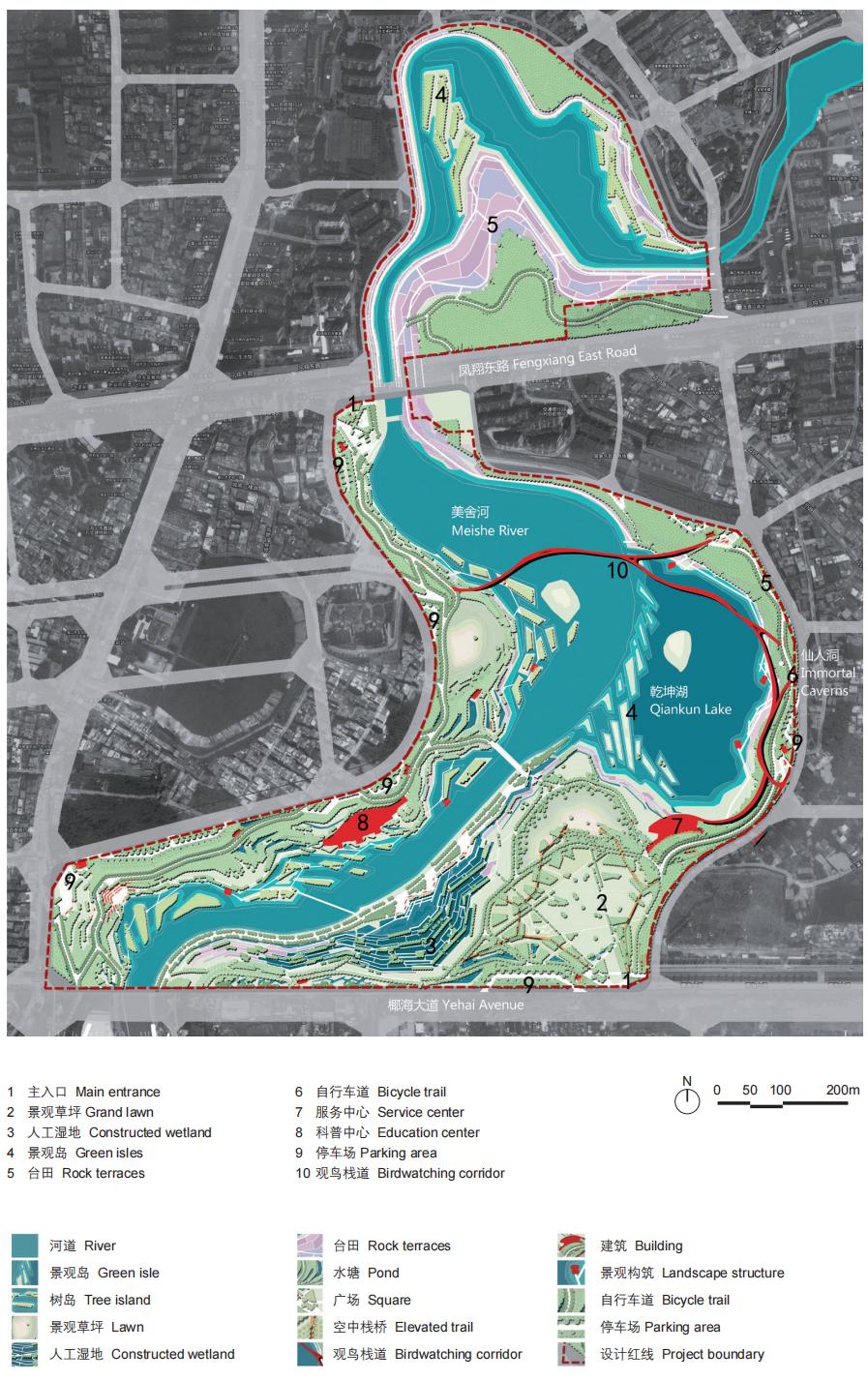
Design Floor Plan
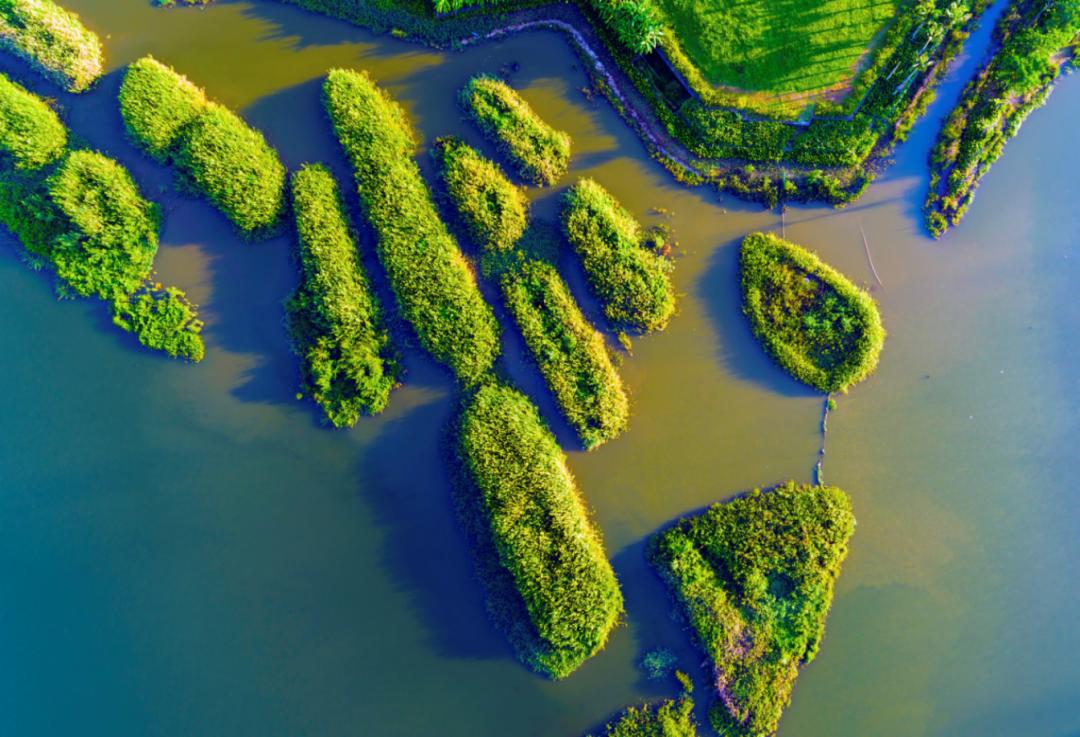
Design-wise, the project employs landscape techniques such as terraced fields, dense forests, orchards, and a chain of wetland islands to showcase the natural beauty of Fengxiang Park.
Ecologically, the design maximizes the resolution of water quality pollution through artificial subsurface flow and surface-flow wetlands, while creating a habitat for egrets centered around Qiankun Lake.
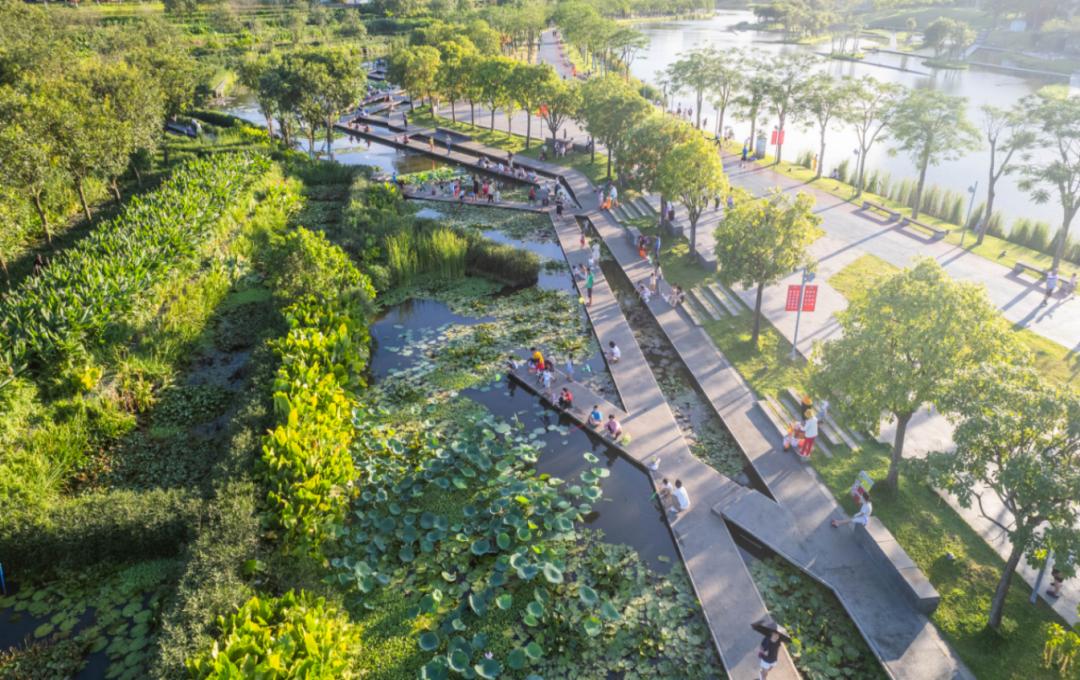
In terms of urban recreation, the design fully considers the needs of a comprehensive urban park, providing activity spaces and pedestrian paths that meet residents’ leisure needs
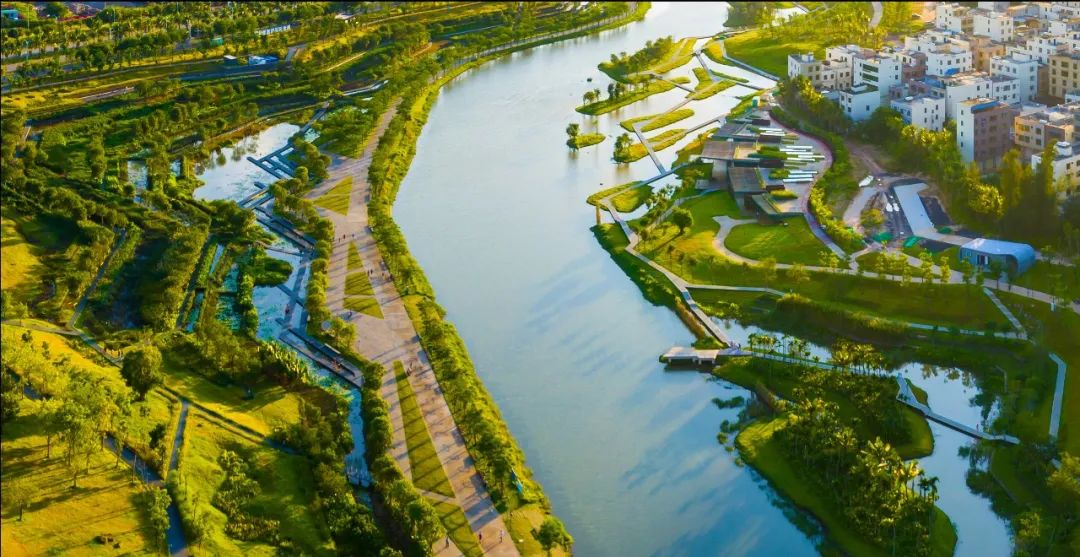
Based on a 20-year return period for flood control, the design breaks down the boundaries of the riverbank to create more natural wetland habitats. Additionally, an artificial subsurface flow wetland is established to treat 3,500 metric tons of domestic wastewater and achieve water purification goals
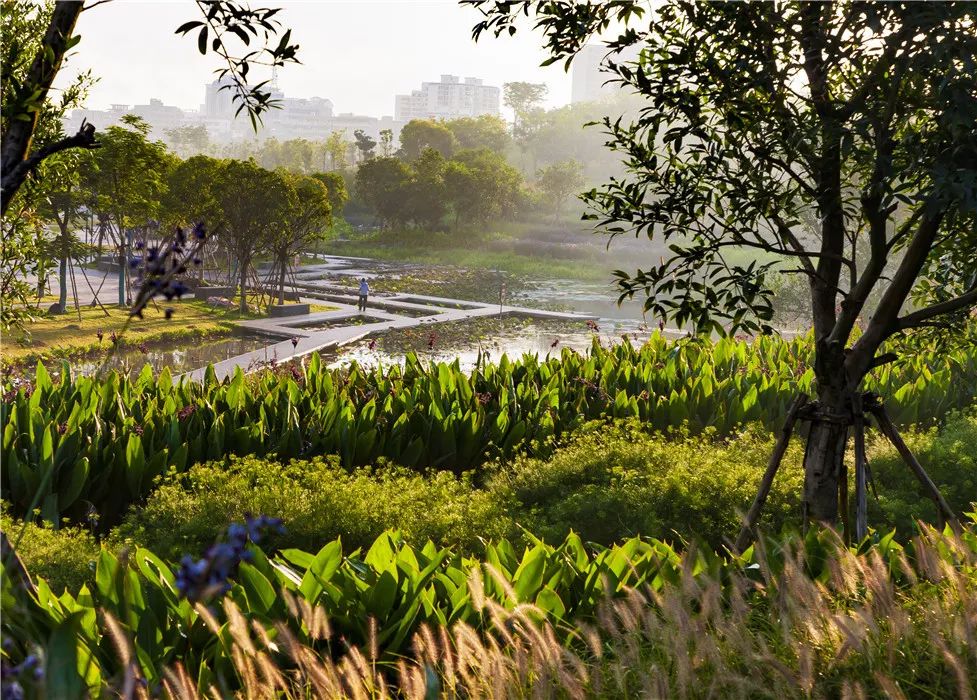
The rich and diverse plant communities within the subsurface flow wetland
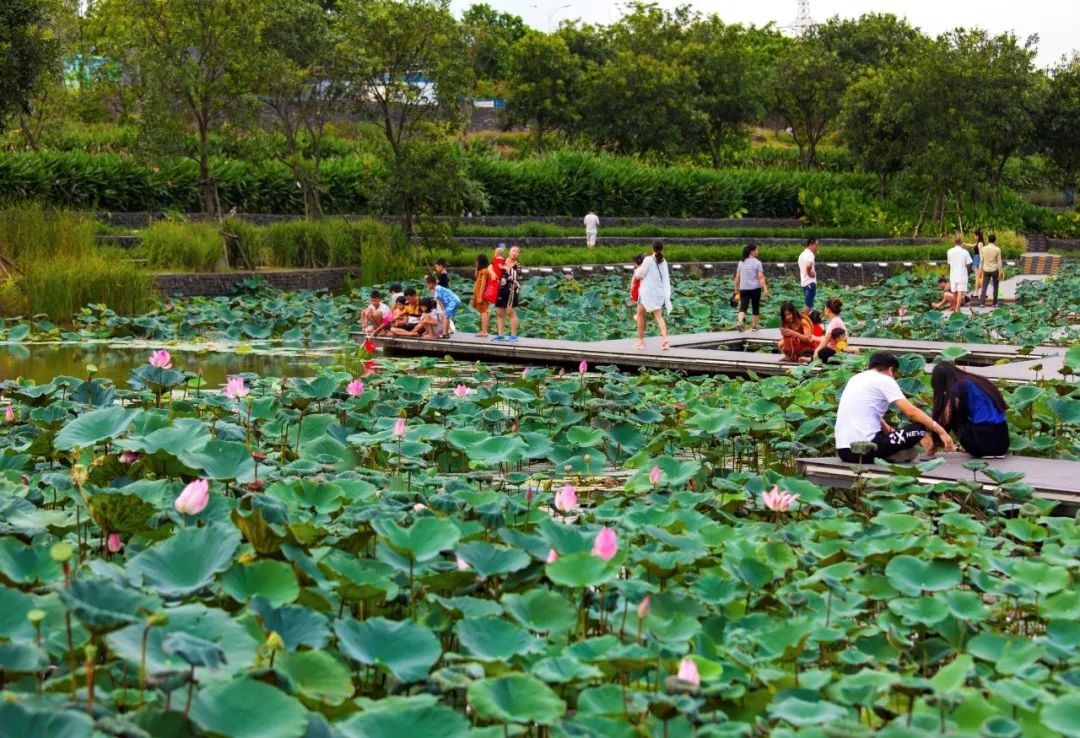
A multi-tiered waterside experience design enables the walking trail system to accommodate public access to the water under varying stormwater conditions
Through the implementation of green sponge technology and an enhanced constructed wetland system, the design ultimately slows the flow of water and nutrient runoff within the site, restores habitats for flora and fauna, and enhances biodiversity; the introduction of a diverse network of pedestrian and bicycle paths encourages green travel among residents and visitors, creating a brand-new destination for tourism, recreation, and culture in the city. More importantly, amid increasingly severe global challenges such as water pollution and water scarcity, the design approach adopted by this project offers significant insights for urban water quality management, flood control, and the creation of spaces for sociocultural services.
The ASLA review panel noted, “This project demonstrates the transformative power of landscape infrastructure on an urban scale. This aesthetic exploration of urban stormwater filtration systems—which combines ecological benefits with social value—provides an important model for the industry. We hope this example will inspire more riverside cities to transform gray infrastructure into green ecological systems. This design fully demonstrates that, compared to the restrictive canals and drainage systems of the past, landscape infrastructure and water systems can guide urban design in more advanced ways. Dynamic natural systems have clearly become an integral part of this city’s self-expression.”
Photos& Text by Yu Kongjian Design Team
Edited by Zhu Liangliang
