Faculty and Students from the College of Architecture and Landscape Conduct a Field Study in Aksu Prefecture, Xinjiang
From March 22 to 28, 2023, at the invitation of the “Academician Deng Mingjiang Expert Workstation” of the Xinjiang Department of Water Resources and the Wenshu County Water Resources Bureau, a delegation of 25 faculty and students from Peking University’s College of Architecture and Landscape , led by Vice Dean Li Dihua, traveled to Wenshu County in the Aksu Prefecture of the Xinjiang Uygur Autonomous Region. The week-long field study and research trip aimed to gain an understanding of Wenshu’s local customs, agricultural development, ecological conservation, and socioeconomic development, as well as to foster cultural and regional experiences.
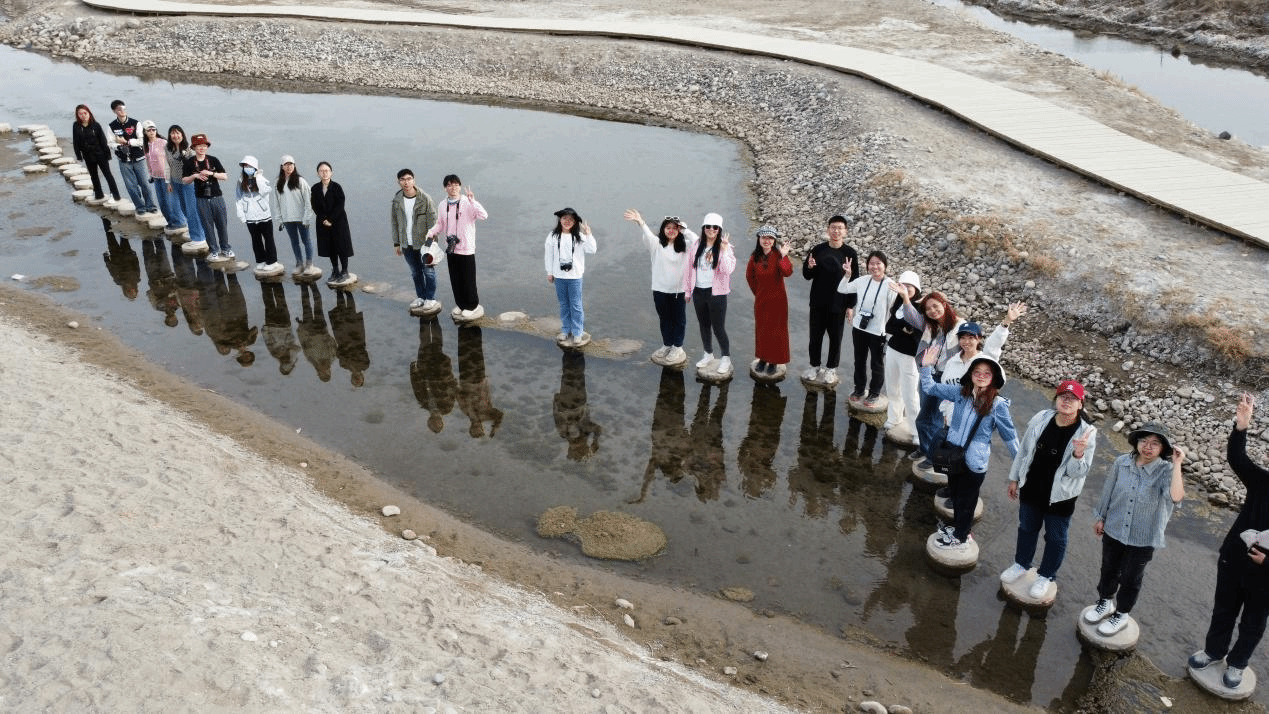
The Peking University College of Architecture and Landscape Team Conducts a Site Visit
On March 22, the delegation visited Xinjiang Kaiyuan Construction Engineering Co., Ltd. for a discussion with Dean Zou Qing. Zou Qing warmly welcomed the delegation from Peking University and provided an overview of Wenshu County’s hydrological conditions. He specifically highlighted how the uneven spatial and temporal distribution of water resources severely constrains the county’s agricultural development, as well as the tension between economic growth and ecological conservation. He expressed his sincere hope that the faculty and students from Peking University would offer insightful perspectives, speak candidly, and take concrete actions to promote national and regional development and help the local people lead better lives. Faculty and students from the delegation raised numerous questions regarding Wensu County’s water resource challenges and agricultural issues, leading to in-depth exchanges and discussions between both sides.
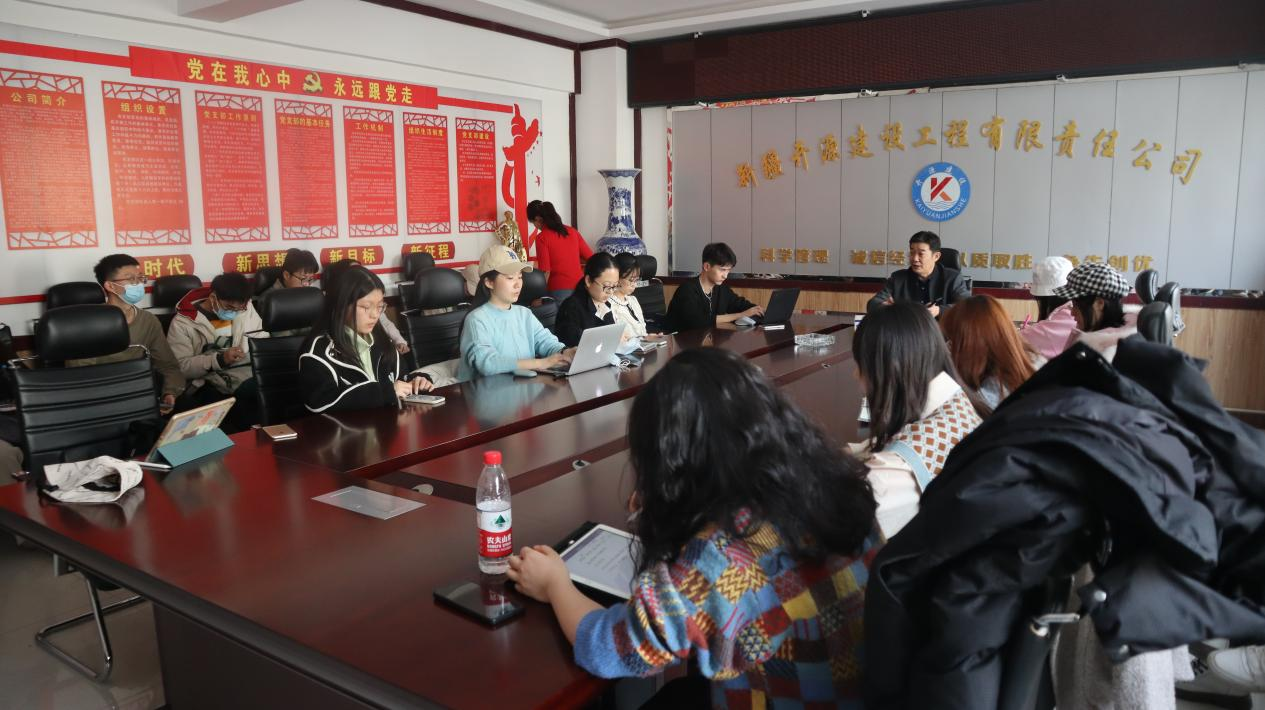
Symposium at Xinjiang Kaiyuan Construction Engineering Co., Ltd.
On March 23–24, a team from Peking University’s College of Architecture and Landscape conducted a series of site visits, including the Huangyangtan Small Watershed Soil and Water Conservation Key Project (Phase II) in Tumuxiuke Town, Wensu County; the Xiehela Water Conservancy Hub; the Guodian River Weir; the Tailan River Depression Reservoir, and the Dongfeng Sluice, as well as technical bases such as the sea buckthorn planting center, the “Ice and Snow Honey Crisp” greenhouse complex, and the big data center. They also visited Tacun Village, Shenmuyuan, the Kokaya Memorial Hall, Wenshu County No. 7 Middle School, and Jinhua New Village in Tuohula Township. Through these visits, they gained an initial understanding of Wenshu.
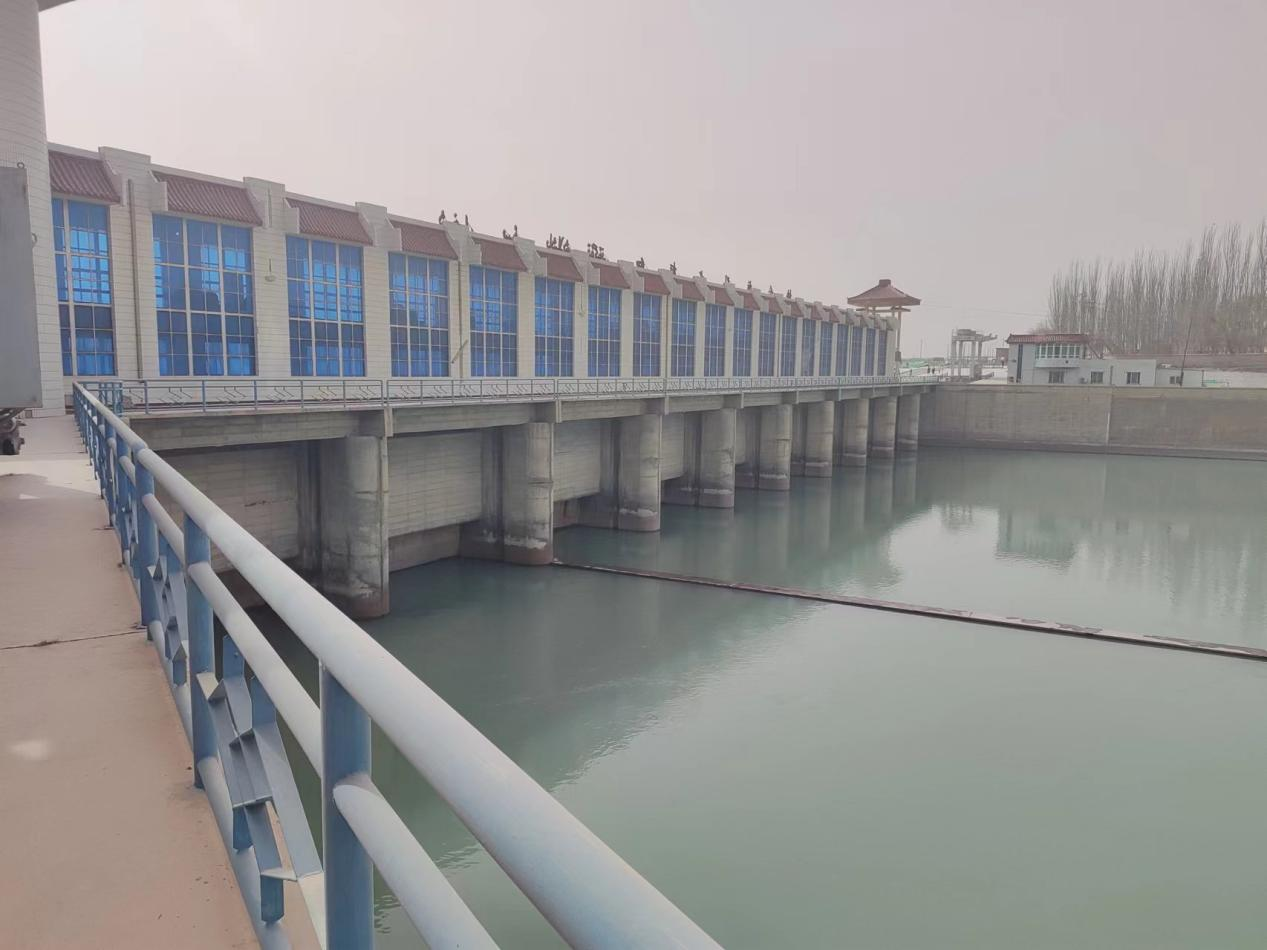
Xiehela Water Conservancy Project
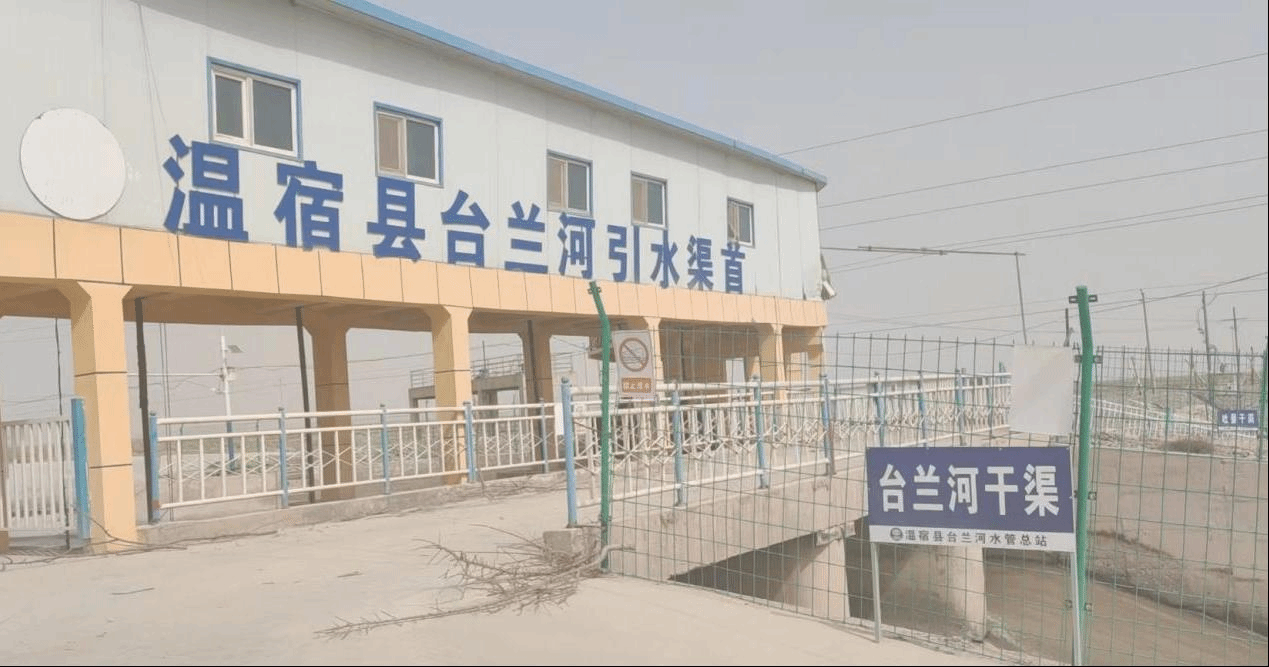
Headworks of the Tai-Lan River Water Diversion Channel
Building on the preliminary impressions gained during the first two days in Wenshu, faculty and students from the research team held a “Peking University Visit to Wenshu Symposium” with representatives from the Wenshu County Development and Reform Commission, Bureau of Natural Resources, Water Resources Bureau, Meteorological Bureau, Bureau of Culture and Tourism, Bureau of Ecology and Environment, Bureau of Forestry and Grassland, and Bureau of Agriculture. The symposium was chaired by Aihemiti Yilihamu, Member of the County Party Committee Standing Committee and Head of the United Front Work Department. Li Dihua sincerely explained the purpose of this visit to Wenshu to the leaders present and provided detailed explanations to the heads of each bureau regarding the themes of the various research groups. These included forward-looking discussions on glacial retreat and regional resilience planning, as well as topics related to Wenshu County’s ecological conservation—such as oases, the Gobi Desert, and watershed planning studies, as well as topics closely tied to Wenshu County’s economic development, such as agritourism integration, the living environment in villages and towns, and agricultural industry policy planning. The enthusiasm shown by faculty and students from the College of Architecture and Landscape in seeking development and progress for Wenshu County was acknowledged and praised by all participating departments.
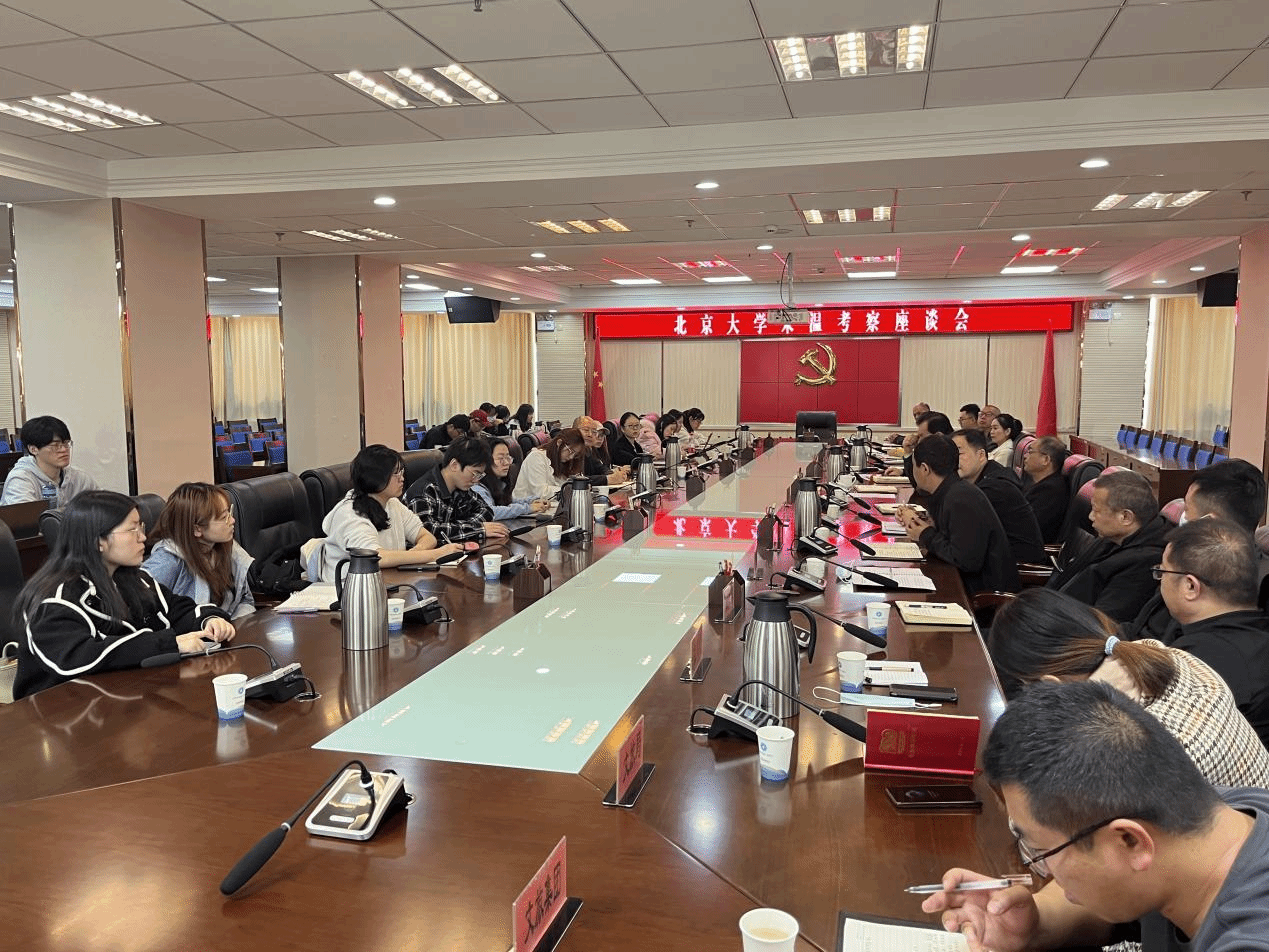
Scene from the Symposium
The participating departments briefed the attendees on the progress Wenshu County has made to date, while also candidly acknowledging the current development bottlenecks. For instance, the Ecological Environment Bureau explained that Wenshu County faces challenges in developing industry, resulting in a conflict between economic development and ecological conservation; they have encountered a series of practical difficulties in implementing the strategy of “preserving both clear waters and lush mountains and building mountains of gold and silver.” Faculty and students from the Colleg engaged in in-depth discussions with the departments, addressing the issues raised and aligning them with the research plans developed during this field study.
From the afternoon of March 25 through March 27, armed with the insights and reflections gained from the exchange meeting, the team from Peking University’s College of Architecture and Landscape conducted field visits to the “Karez” groundwater reservoir on the Tailan River, the “14th Five-Year Plan” continuation, supporting infrastructure, and water-saving renovation project in the Tailan Irrigation District (Kizil Town), the Akumu Sluice Gate, the reservoir for the Phase I Water Supply Project of the Industrial Park, the small and medium-sized river management project along the left bank of the Tai-Lan River in the Xincun section near the railway, and the Ajilik Karez Ecological Agricultural Irrigation District, among other water conservancy and ecological facilities.
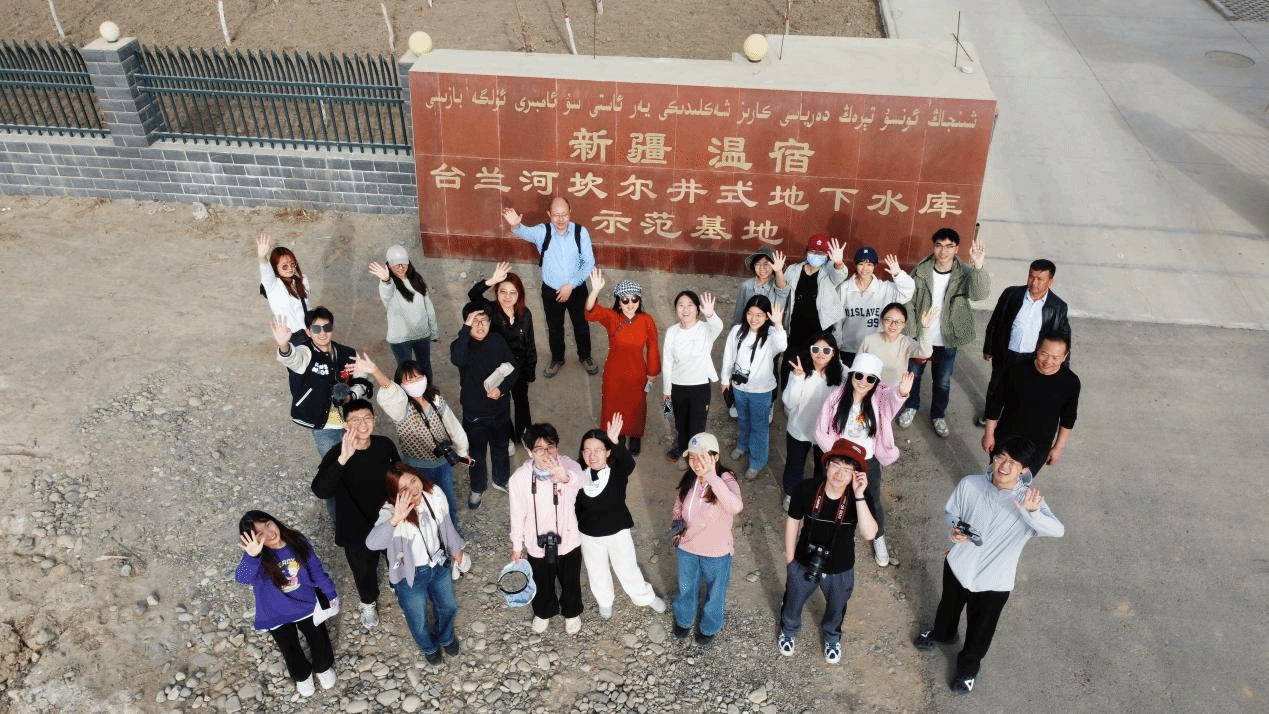
Inspection of the Tai-Lan River “Karez” Underground Reservoir
During the inspection, the Student Party Branch of Peking University’s College of Architecture and Landscape also held a Party-building activity in the village centered on visiting a model village for rural revitalization. Many of the landscapes in Wuketiereke Village were built through the villagers’ spontaneous efforts and mutual assistance, forming a unique and beautiful scenic landscape that effectively embodies the twenty-character guideline: “thriving industries, a livable ecological environment, a civilized rural ethos, effective governance, and prosperous living standards.” The student Party members of the branch deeply felt the strong cohesion within Wuketiereke Village and recognized that the achievements of rural revitalization are the result of the diligent efforts of generation after generation of Communist Party members.
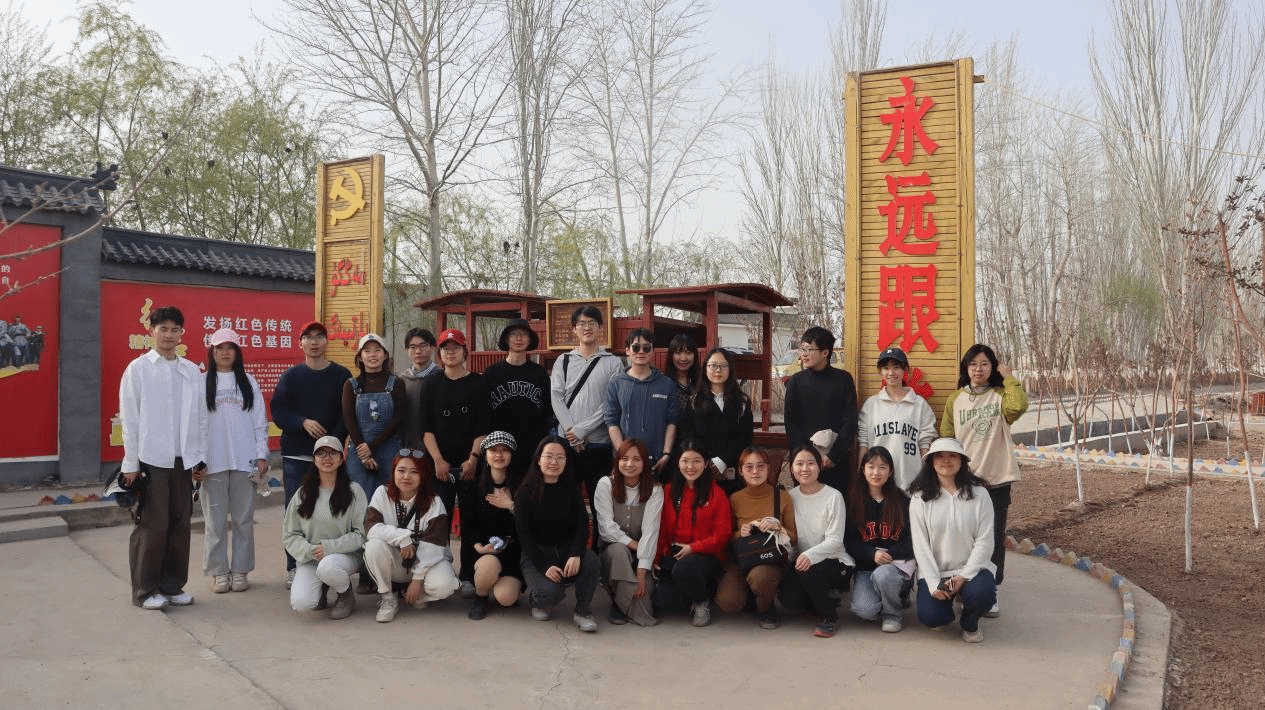
Group photo of the Party branch
On March 28, a team from Peking University’s College of Architecture and Landscape visited Wenshu County No. 7 Middle School to deliver educational presentations to students from first grade through senior high school. They guided students in establishing good study habits and mastering effective learning methods, while encouraging them to set ambitious life goals, thereby contributing Peking University’s expertise to the advancement of education in Wenshu. Li Mingxiu, Party Secretary of Wenshu No. 7 Middle School, expressed the school’s gratitude to the team from Peking University's College of Architecture and Landscape on behalf of the institution. The official media outlets “Wenshu Education” and “Wenshu Zero Distance” published special reports on this educational presentation.
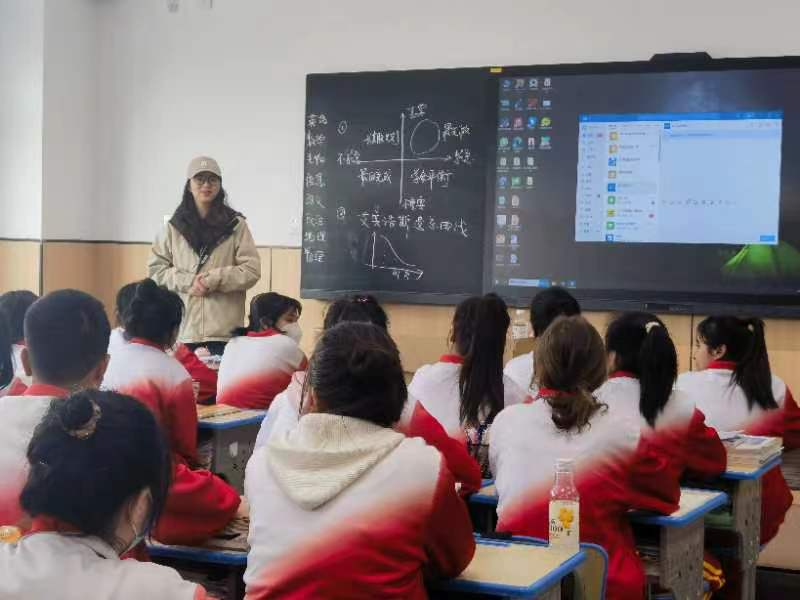
Presentation at Wenshu No. 7 Middle School
This research and field study trip also served as the fieldwork component of the college’s graduate course “Theory and Methods of Landscape Design (II): Core Design.” The findings from this study will provide theoretical and conceptual guidance for the comprehensive development of Wenshu.
Reflections from Students on the Study Tour:
Li Xiaoshan, Class of 2022 Graduate Student: The week-long research trip to Wenshu left a deep impression on me. I was deeply moved by the vastness of the western regions of our motherland, the grandeur of its landscapes, and the kindness of its people. On this land, I witnessed how the people, trusting in the Communist Party members and guided by them, strive to build a better life with hope for a brighter future; I also saw the tireless dedication and arduous efforts of Communist Party members as they fulfill their commitment to serving the people. As young people of the new era and students at the nation’s premier university, we deeply feel the responsibility on our shoulders and the call of our country and its people. I will return to Peking University carrying with me my reflections on “real issues,” the awe inspired by the natural scenery of the western part of our motherland, and the deep emotion stirred by its cultural traditions. With the determination to write tirelessly, I will continue to enrich my knowledge, seek truth, goodness, and beauty, press forward on the path of scholarship, and work tirelessly to build a better China.
Wang Kexin, Class of 2022 Graduate Student: During our seven-day research trip to Wenshu, we visited numerous towns and villages and conducted on-site studies of water conservancy systems of various scales. After learning about the challenges facing Xinjiang’s agriculture—such as high-quality yet low-priced produce and the spatiotemporal unevenness of water resources—we gained a deep appreciation for the tireless efforts of the people of Xinjiang in revitalizing industries and managing water resources. Just as the slogans we frequently saw along the way stated, “All ethnic groups are closely united like pomegranate seeds,” the entire population is working in unison to forge ahead and jointly build a better Xinjiang.
Shi Laina, Class of 2022 Graduate Student: During this trip to Wensu, we gained firsthand experience of Southern Xinjiang’s vastness, unique cultural charm, and the blessings and limitations of its natural conditions. Under these conditions, the people of Xinjiang have demonstrated remarkable ingenuity in adapting to their environment. First was the sea buckthorn plantation at our first stop: turning the Gobi Desert into an orchard. By utilizing sediment and floodwaters from the Liusha River, they brought soil to the orchard and supplemented water supplies, enabling sea buckthorn to thrive and boosting economic development. Second was the Tailan River within Wenshu: maximizing the use of water resources. From the hydroelectric power station to the distribution canals, reservoirs, and the utilization of floodwaters, all of these demonstrate the survival wisdom of the people of Wenshu—not only ensuring basic water supply for agriculture but also promoting ecological restoration. Third is the transformative development of Wuketiereke Village: bottom-up rural revitalization. Party and government officials organized the people to carry out voluntary renovations, transforming Wuketiereke into a beautiful and sustainable village—fully embodying the 20-character guideline proposed by General Secretary Xi Jinping: “thriving industries, a livable environment, a civilized rural ethos, effective governance, and prosperous living standards.” All of these examples of survival wisdom reflect the efforts made by the people of Wensu to achieve sound ecological and economic development. We believe that under the leadership of the Party and guided by the “Kekey” spirit, and through the hard work and united efforts of the people of Wensu, Wensu’s future will be increasingly bright.
Li Min, Class of 2022 Graduate Student: From the sea buckthorn forests to the Snow and Ice Honey Crisp Orchard and on to Wucun Village; from government support to corporate investment and to the people’s spontaneous organization—through the joint efforts of multiple stakeholders, Wenshu, as a major agricultural county, has made initial strides in extending its agricultural industrial chain and optimizing and upgrading its rural industrial structure. It has preserved and revitalized the spiritual and cultural character of rural life, brought more opportunities for prosperity and employment to villagers, attracted some talented individuals to return home to work, and propelled the countryside onto the fast track toward high-quality development. Furthermore, the “Kekeyaya Spirit”—characterized by “self-reliance, united struggle, hard work and entrepreneurship, and selfless dedication”—inspires deep admiration; this is undoubtedly a vivid embodiment of President Xi Jinping’s Thought on Ecological Civilization in the nation’s frontier regions. The “Aksu Desert Greening” initiative embodies the original aspiration of Aksu’s Party and government leadership to seek happiness for the people, as well as the courage of the Aksu people to “dare to transform the world.” With such a government and people, they will surely compose a new and even more beautiful chapter for Aksu together!
Ge Sheng, a 2022 graduate student: The Wucun tourism base, led by village officials with the active participation of villagers, has fostered a virtuous cycle where villagers design, build, manage, and enjoy the site while generating income—attracting tourists from the surrounding areas and promoting the development of the tourism industry. While visiting the Wucun site, my strongest impression was that “women’s entrepreneurship brings joy and harmony, while villagers’ spontaneous participation brings a sense of ease and contentment.” Regarding this “spontaneous participation,” there are two points worth considering. First, the villagers designed the site on their own initiative, resulting in a kind of authentic beauty. As a student in the College of Architecture and Landscape , I view the design of the Wucun site from a professional perspective as lacking structure and featuring too many elements. However, judging by market response, the Wucun site has indeed attracted visitors from the surrounding areas. Does this suggest that in rural revitalization efforts—particularly in villages lacking basic infrastructure—site development can follow the principle of “build first, refine later”? That is, start with spontaneous, authentic designs from the villagers to lay a foundation, and then plan for further development. Second is the villagers’ self-directed management: once the site is built, it requires operation. Villagers earn “labor points” by participating in site operations, which they can then exchange for goods at the on-site store. This management model—where labor is exchanged for goods—has boosted villagers’ enthusiasm for participation and is worth emulating.
Li Letao, Class of 2022 Graduate Student: To deeply understand the philosophy of “going to the grassroots,” during our field investigation in Wenshu, Xinjiang, we walked through sea buckthorn groves to inquire about harvesting methods, farmers’ incomes, and the industrial chain; at Wenshu No. 7 Middle School, we listened intently to the sounds of children’s growth and nurtured the dreams hidden within their budding potential. We come from the grassroots, and we return to the grassroots; Peking University students will always stand with the grassroots, and we pay tribute to the broad masses.
Text by Li Xiaoshan
Photography by faculty and students of the research team
Edited by Zhu Liangliang
